AI-Generated Graphics Are Easy – But Are They Print-Ready?
AI has transformed the creative process, making it easier than ever to generate custom artwork in minutes. Tools like Midjourney, DALL·E, Adobe Firefly, and ChatGPT allow marketers, small business owners or basically anyone to create web graphics quickly and easily, with no large upfront fees for custom designs.
While these AI tools are great for brainstorming campaign ideas and exploring creative concepts quickly and cost-effectively, are AI-generated graphics production-ready? That depends, mostly on your medium. What looks good on your laptop or smartphone doesn't always translate well to real-world, tactile materials.
For example, garment printing has specific technical requirements that AI image generators aren't built to address, including resolution, file formats and color matching. Artwork that appears production-ready on your screen can be blurry or pixelated on fabric.
Fortunately, it’s not an all-or-nothing proposition. Understanding where AI fits in the design process – and where human expertise is essential – can help you avoid costly delays and protect your brand’s reputation.
AI Is Quick and Easy, but Quality Suffers
Marketers and project managers often turn to AI for speed and cost-savings. Finding a qualified designer can be expensive and time-consuming, so instead of waiting days for initial concepts, they use AI to generate designs in minutes. Using AI for generating artwork today requires zero formal design experience and makes it easy to explore different creative directions.
Using AI helps meet tight deadlines for concepts and mockups, which is super helpful when you’re preparing for stakeholder presentations and customer discussions. However, turning a promising concept into a production-ready graphic for any garment that’s decorated requires specialized human expertise in print design and file preparation.
For example, digital images are displayed using light and the RGB color model, while printed apparel reproduces artwork with ink, toner, dye, or thread on fabric. Each production method has its own technical requirements and physical limitations that AI image generators aren't designed to consider.
Plus, there’s a quality issue. You probably can’t see minor imperfections in images when you look at them on your monitor or phone screen. But once you enlarge the artwork, flaws are much more noticeable.
Let’s take a closer look at 5 main reasons AI artwork can fail in production:
Low Resolution and Limited Scalability: Most AI tools generate raster images optimized for digital viewing, where 72 DPI and relatively small file sizes are sufficient. However, professional printing requires artwork to be 300 DPI at its final print size. Because raster images are made of pixels, enlarging them often leads to pixelation and a loss of detail. Unless the tool you use outputs at 300dpi, it will fail in production. Logos, typography, line art, and other branded graphics will have to be recreated before production to ensure they look right.
Not Editable: Editing an ai generated image is extremely difficult – if possible at all. Experienced graphic designers use separate layers for text, illustrations, logos, backgrounds, and effects to make revisions and personalize designs.
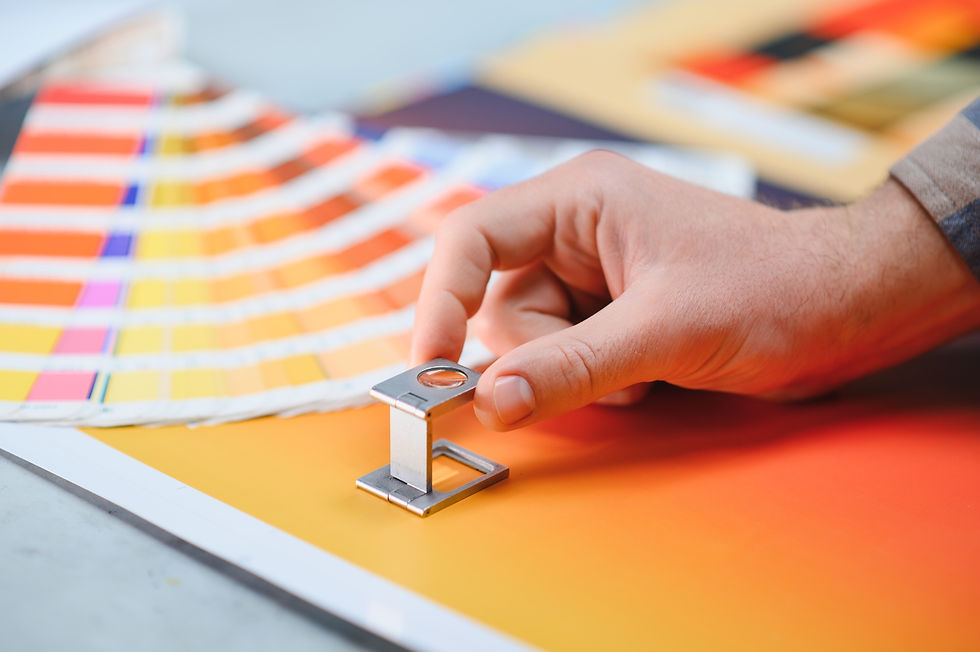
Color Mismatches: AI images are created for digital displays, while commercial printing relies on CMYK inks. As artwork is converted for print, vibrant colors, gradients, subtle shading, and even carefully chosen brand colors may not print as intended.
Font Availability: AI manufactures its own fonts, which are not commercially available. If you need to edit or add copy, or use your branded fonts, you may be out of luck.
Design Requirements: A design that looks great on your screen may not produce the same results on a finished t-shirt. Because AI generates images without considering how they'll actually be produced, it's easy to choose artwork that leads to unexpected quality issues or additional preparation costs.
For these and other reasons, "free" AI-generated artwork can end up being even more expensive than hiring a designer. Print providers may need to clean up artwork and correct colors, or they might even reject your files altogether. In the end, the added production costs can outweigh the savings.
Great Designs Still Need a Human Touch
Professional designers understand both creative design and print production, preparing clean, print-ready files that meet vendor specifications for any type of garment or decorated deliverable. They know how to select the right file formats and optimize artwork for the chosen print process, and this helps to reduce revisions and prevent costly file rejections.
While AI is a useful tool for generating ideas, human expertise is still essential in graphic design. The best results come from combining AI's speed with the technical knowledge of experienced designers who know how to translate digital artwork into high-quality decorated products.
ETMG's design and production experts can refine your AI-generated concepts, prepare professional print files, and ensure your finished products looks as polished in person as it does on screen. Contact us today to learn how.